Concise answer
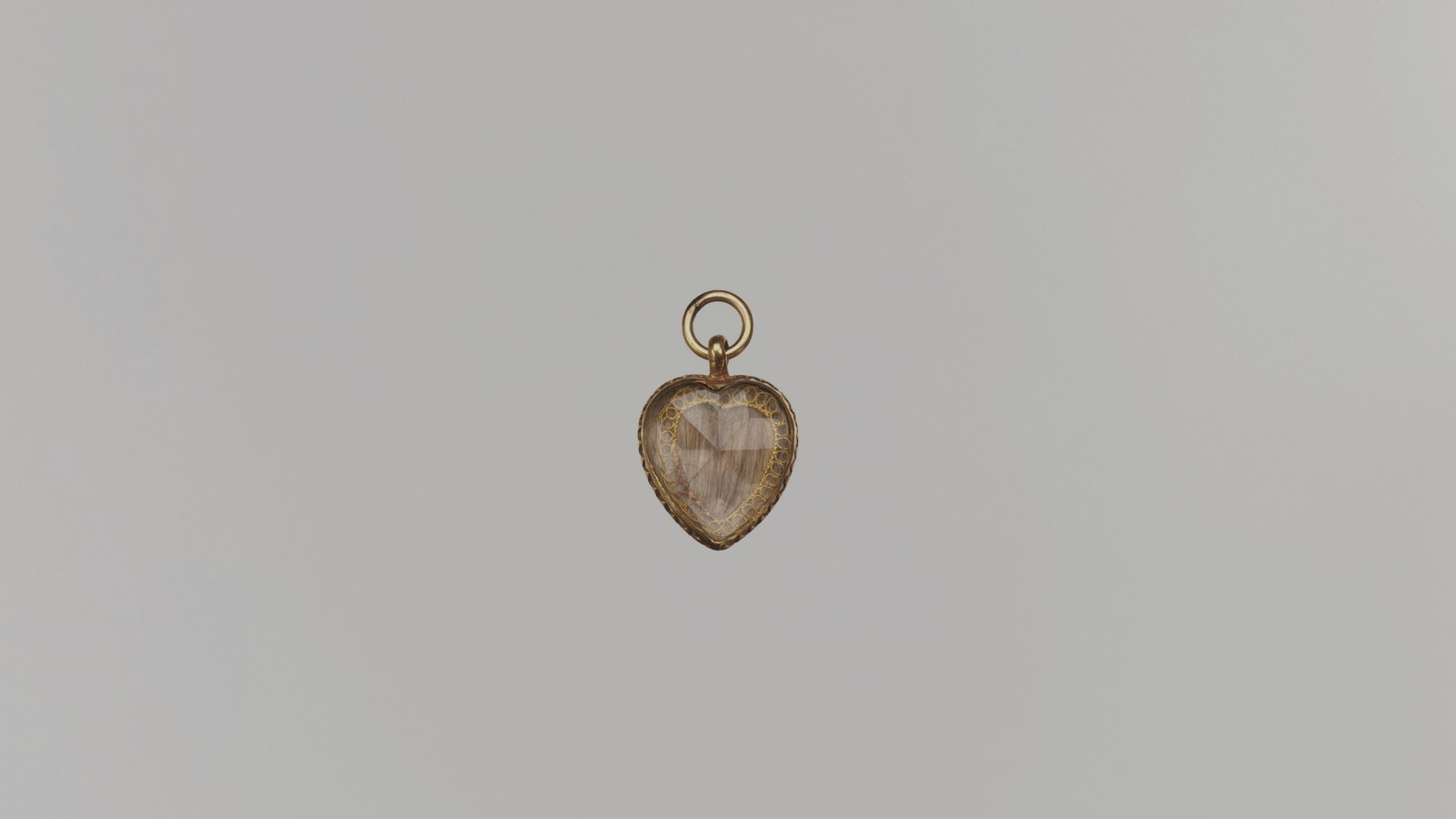
Old pendants and lockets can combine gold content, glass, photographs, hairwork, enamel, sentimental inscriptions and antique workmanship.
A locket is rarely just a gold weight
Lockets can contain glass covers, photographs, fabric, hairwork, paper, hinges, springs and solder. Those parts affect recoverable metal weight, but they may also carry antique or family-history interest. The aim is to identify both material value and object value before anything is opened or cleaned.
Hollow, filled and glazed construction
Many pendants are hollow or partly filled. A heavy-looking piece may have thin gold walls, while a compact medallion may be solid. Glass and internal compartments add weight that is not precious metal. A buyer needs photos of the edge, hinge, back and any hallmarks to avoid guessing.
Engraving can help rather than hurt
Initials, dates and memorial wording may narrow the resale audience, but they can also support age and context. On mourning or presentation pieces, engraving is part of the story and should not be polished away.
When enamel or hairwork changes the handling
Enamel, hairwork and old photographs are fragile. Avoid ultrasonic cleaning, moisture, aggressive polishing and attempts to pry open sealed sections. If a compartment is stuck, leave it closed for assessment.
What to photograph or record
- Photograph front, back, edge, hinge and bail.
- Include open and closed views only if it opens easily.
- Do not remove photographs or hairwork.
- Look for marks on the bail as well as the body.
- Keep any chain with it but describe the chain separately.
Lockets need a parts inventory
A careful locket note should list the body, bail, hinge, glass, internal frame, photographs or hairwork, chain and any later repair separately. That avoids valuing glass or paper as gold while also protecting fragile contents that may be historically or emotionally important.
If a locket is stuck, the right answer is not to force it open for a photo. Photograph the edges, hinge, bail and back; if inspection is needed later, it can be done with the risk visible to the owner.
Evidence to send with this enquiry
For pendants and lockets, the most useful evidence is specific rather than decorative: photograph front, back, edge, hinge and bail; include open and closed views only if it opens easily; do not remove photographs or hairwork. Those details let a buyer separate a cautious first view from a stronger inspection-backed view.
For What Determines the Value of an Old Gold Pendant or Locket?, references such as GOV.UK hallmarking practical guidance and The Met Open Access image resources frame terminology and valuation purpose. They do not replace inspection, but they keep the page anchored to recognised hallmark, diamond, metal, auction or estate guidance rather than anecdote.
Sources and further reading
Related Fair Vintage advice
FAQ
Are lockets valued by gold weight?
Some are, but antique construction, enamel, hairwork and condition can alter the route.
Should I remove old photographs?
No. Leave contents in place unless there is a family privacy reason to remove them carefully.
Can a broken bail be repaired?
Often, but repair cost and originality affect whether repair is worthwhile before sale.