Concise answer
Sterling silver, silver plate and weighted handles look similar to non-specialists but have very different resale and metal-value implications.
Solid silver is not the same as silver plate
Solid sterling flatware is normally valued by weight, pattern, maker, age and condition. Silver plate has only a thin silver layer over base metal and often has much lower metal value, though complete decorative sets can still have use or collector appeal.
Weighted handles can mislead
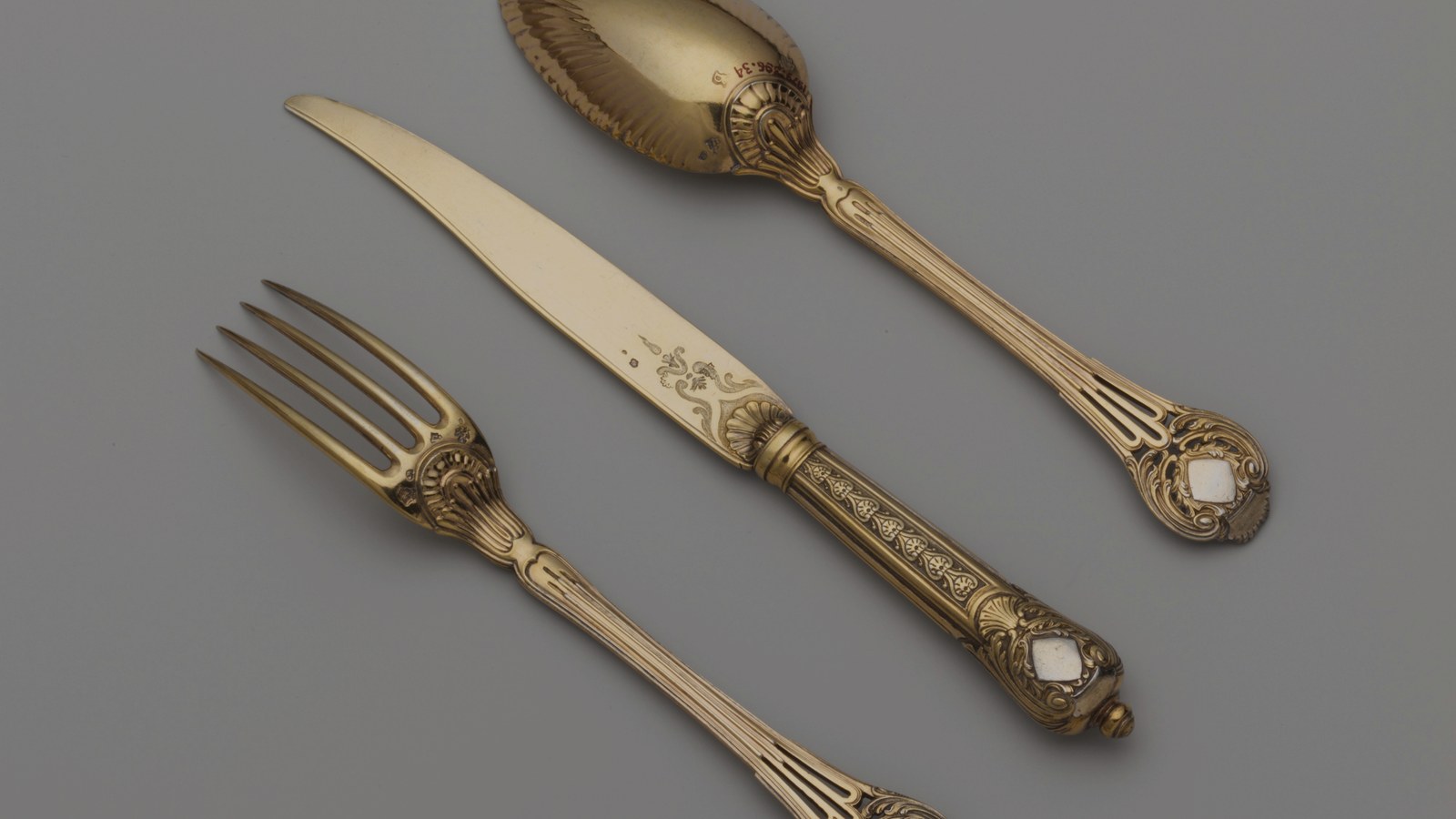
Some knives, candlesticks and serving pieces have silver skins around filled handles or bases. The gross weight includes cement, resin or steel. A responsible offer should not treat the full weight as sterling silver.
Patterns and makers matter
A complete service by a recognised maker in a desirable pattern may be worth more than a mixed bundle. Monograms can reduce demand but do not always erase value, especially on older or high-quality pieces.
How to sort before valuation
Group forks, spoons, knives and serving pieces separately. Photograph marks clearly. Do not scrape, file or acid-test at home. If there are boxes, canteens or original lists, photograph those too.
What to photograph or record
- Separate solid silver, plated and unknown pieces if marks are clear.
- Photograph hallmarks and maker marks on several examples.
- Count pieces and note missing knives or forks.
- Do not include steel blades in silver-weight guesses.
- Keep canteens, cases and pattern notes together.
Knife handles and mixed canteens
A canteen can include sterling forks and spoons, silver-handled knives with steel blades, plated replacements and weighted serving pieces. The gross box weight is almost useless until those groups are separated.
A practical note should count each piece type, photograph marks from several examples and flag EPNS or plated marks. Seller expectations improve quickly once sterling weight, plated utility value and completeness are separated.
Evidence to send with this enquiry
For silver cutlery, the most useful evidence is specific rather than decorative: separate solid silver, plated and unknown pieces if marks are clear; photograph hallmarks and maker marks on several examples; count pieces and note missing knives or forks. Those details let a buyer separate a cautious first view from a stronger inspection-backed view.
For Silver Cutlery, Flatware and Plated Silver: Why the Difference Matters, references such as GOV.UK hallmarking practical guidance and GOV.UK hallmarking consumer protection frame terminology and valuation purpose. They do not replace inspection, but they keep the page anchored to recognised hallmark, diamond, metal, auction or estate guidance rather than anecdote.
Sources and further reading
Related Fair Vintage advice
FAQ
Is EPNS sterling silver?
No. EPNS means electroplated nickel silver, not solid sterling.
Are silver knives weighed as solid silver?
Usually not; handles may be filled and blades may be steel.
Does a monogram ruin value?
Not necessarily, but it can reduce demand for some buyers.