Concise answer
Platinum is dense and valuable, but resale depends on fineness, weight, design, diamond content, wear and current demand for the finished piece.
Platinum feels heavy for a reason
Platinum is denser than gold alloys commonly used in jewellery, so a platinum ring can feel surprisingly heavy. That does not mean the whole value is metal: diamond quality, setting labour, brand, age and condition can all change the resale route.
Check the fineness mark
Modern UK platinum jewellery is commonly marked with fineness such as 950, but older or imported pieces may need closer inspection. Hallmarks help identify metal standard, yet repairs and replaced parts can still complicate assessment.
Why diamond settings need more work
Platinum is often used for diamond rings because it is durable and secure. The diamonds may be the main value, especially where a central stone is natural, well cut and supported by a grading report. Small worn melee diamonds may add less than sellers expect.
When the complete ring matters
A clean Art Deco platinum ring, an elegant Edwardian design or a signed setting may be worth assessing as jewellery rather than only metal. Heavy wear, missing stones or poor repairs may move the offer closer to component value.
What to photograph or record
- Photograph marks inside the ring.
- Include side views of the setting and claws.
- Send any diamond reports or old receipts.
- Mention missing stones or resizing.
- Do not rhodium plate or repair before assessment.
Platinum versus gold in practice
A 950 platinum ring and an 18ct gold ring should not be compared only by colour or retail memory. Platinum is dense, often heavier for the same visual size, and commonly used in diamond settings, but metal prices move independently and the diamond or design may dominate the offer.
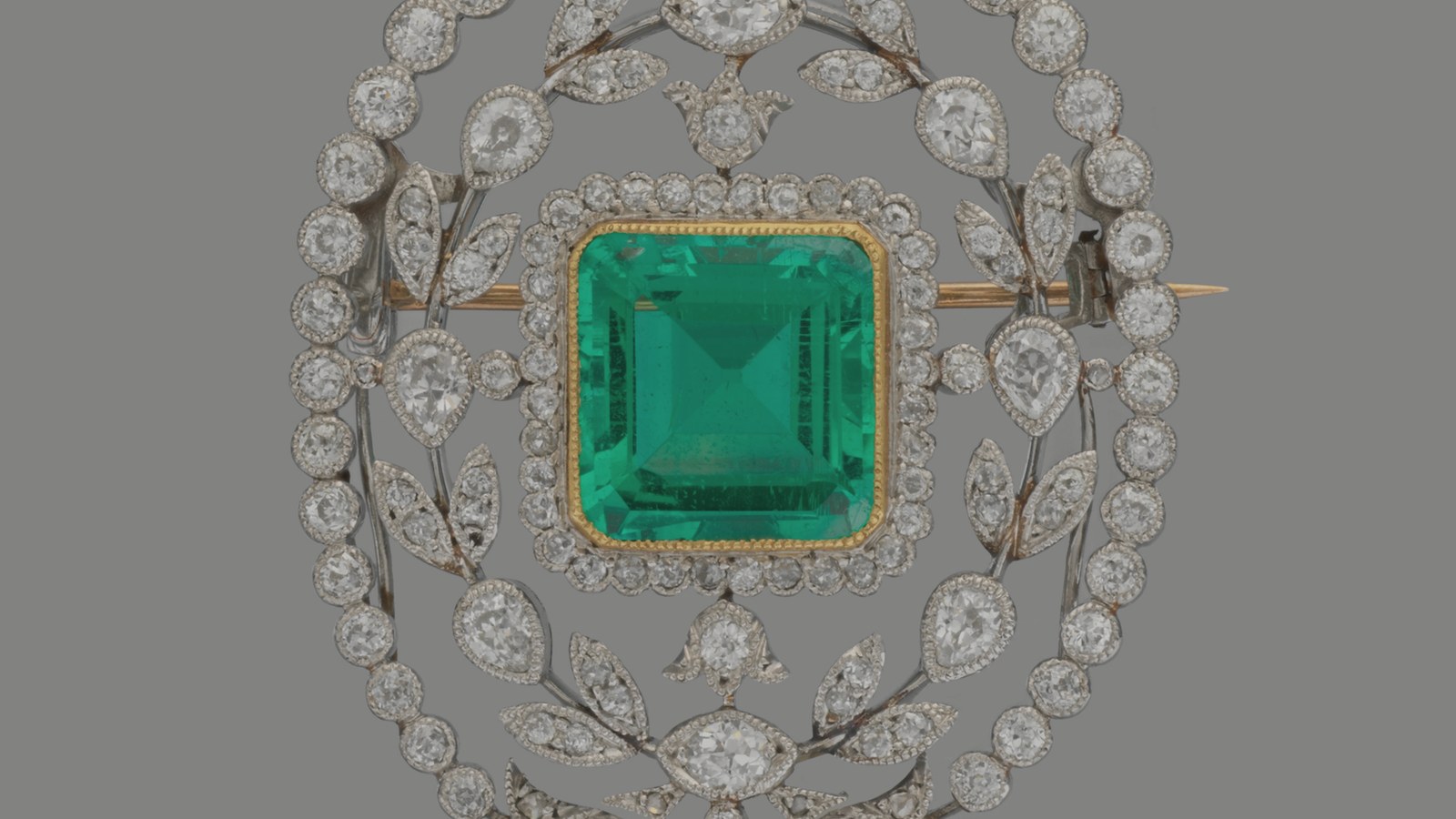
For a platinum item, the inspection note should separate fineness mark, eligible metal weight, stone value, setting wear and finished-jewellery demand. That is why the image on this page now uses an actual platinum object record rather than a gold ring.
Evidence to send with this enquiry
For platinum jewellery, the most useful evidence is specific rather than decorative: photograph marks inside the ring; include side views of the setting and claws; send any diamond reports or old receipts. Those details let a buyer separate a cautious first view from a stronger inspection-backed view.
For Platinum Jewellery Resale: Why Metal Price Alone Does Not Tell the Whole Story, references such as GOV.UK hallmarking practical guidance and Sheffield Assay Office: UK hallmarks frame terminology and valuation purpose. They do not replace inspection, but they keep the page anchored to recognised hallmark, diamond, metal, auction or estate guidance rather than anecdote.
Sources and further reading
Related Fair Vintage advice
FAQ
Is platinum always worth more than gold?
Not always. Metal prices move independently, and jewellery value depends on more than metal price.
Does 950 mean platinum?
It usually indicates 950 parts per thousand platinum, but the whole hallmark and item should be checked.
Can damaged platinum be sold?
Yes, though damage affects whether it is valued as jewellery or mainly material.