Concise answer
Auction and direct sale should be compared by net proceeds, timing, risk, fees and certainty, not by headline estimates alone.
Auction estimates are not net receipts
An auction estimate is a marketing range before the sale. The seller's actual result depends on hammer price, seller commission, photography, insurance, withdrawal terms, reserve, timing and whether the buyer pays. Unsold items can create another decision.
A trade offer is lower but clearer
A dealer offer is a direct purchase price. It includes the buyer's margin and risk, but it gives the seller certainty if accepted. That can be appropriate for ordinary gold, mixed collections and items where a public auction is unlikely to create strong competition.
Where auction shines
Auction can be better for named designers, rare antique jewels, exceptional stones, important provenance or highly collectable pieces. The seller must still understand fees, reserves and timescale.
How to compare fairly
Ask: what will I receive after fees, when will I receive it, what happens if it does not sell, who carries insurance risk, and how much effort must I spend? Only then compare with a written trade offer.
What to photograph or record
- Ask auction houses for seller fees in writing.
- Compare net proceeds, not just estimates.
- Check unsold-item and withdrawal terms.
- Get a direct offer in writing before deciding.
- Use auction for rarity, not routine metal-led items.
Net auction illustration
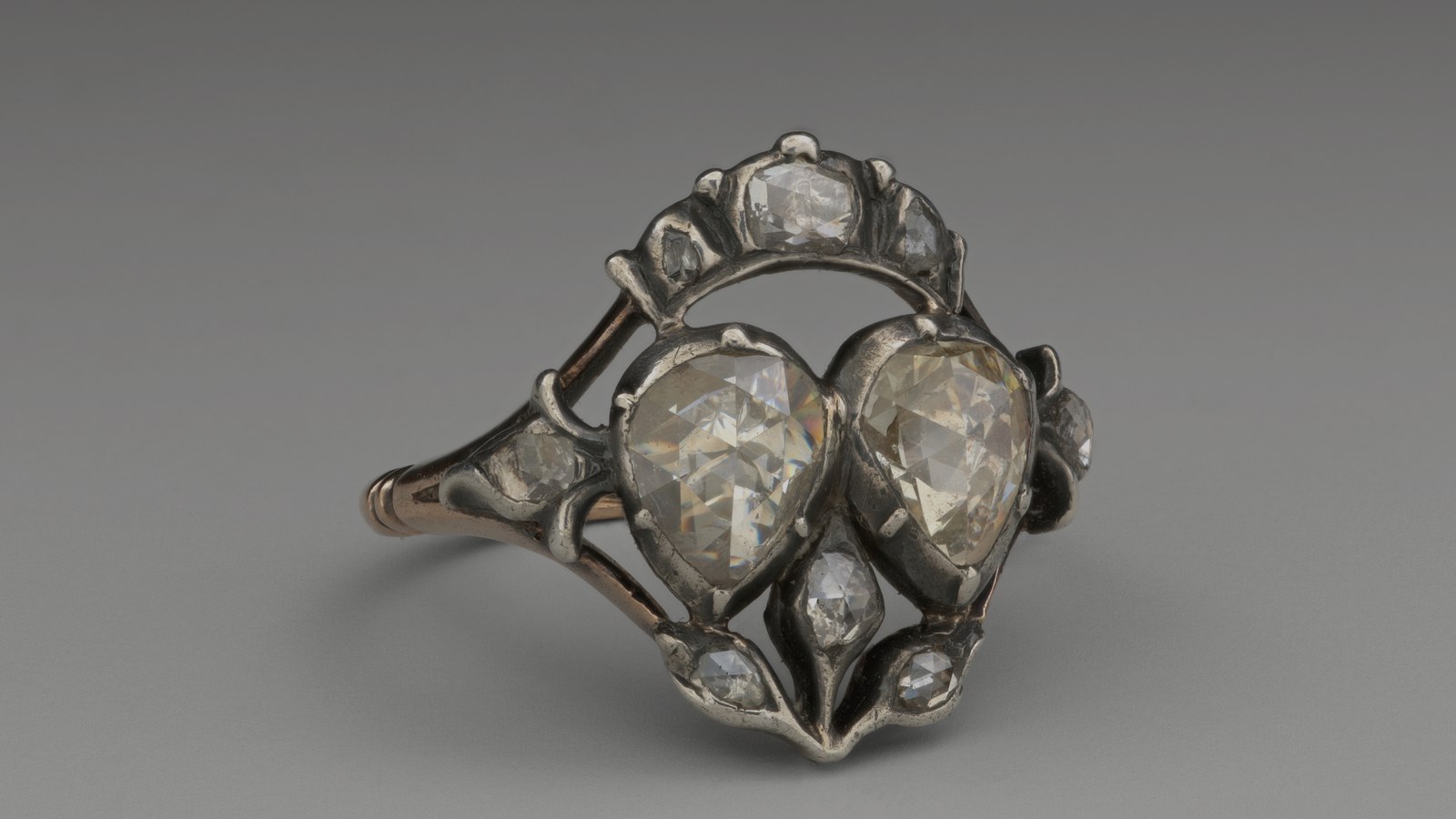
Illustrative example only: if a ring hammers at £2,000, the seller does not automatically receive £2,000 if seller commission, photography, insurance, withdrawal, storage or other agreed expenses apply. Buyer premium also affects bidder psychology because the buyer is paying more than hammer.
A direct trade offer of £1,650 can be worse or better than auction depending on auction fees, reserve risk, payment timing and probability of sale. The page therefore compares net outcomes, not just headline estimates.
Evidence to send with this enquiry
For selling routes, the most useful evidence is specific rather than decorative: ask auction houses for seller fees in writing; compare net proceeds, not just estimates; check unsold-item and withdrawal terms. Those details let a buyer separate a cautious first view from a stronger inspection-backed view.
For Jewellery Auction vs Dealer Offer: Compare the Money You Actually Receive, references such as Christie's: understanding auction fees and buyer's premium and Bonhams: seller proceeds and agreed expenses frame terminology and valuation purpose. They do not replace inspection, but they keep the page anchored to recognised hallmark, diamond, metal, auction or estate guidance rather than anecdote.
Public discussion context
Reddit research used for this page
The UKPF insurance-valuation thread is relevant because commenters compare dealer, auction and private-sale routes for inherited jewellery. It is included as audience-language research only; it is not an endorsement, not a ranking tactic and not a substitute for professional assessment.
Sources and further reading
Related Fair Vintage advice
FAQ
Is auction always higher?
No. It can be higher for the right item, but fees and uncertainty matter.
Is a dealer offer always low?
It should reflect resale risk and margin; compare like-for-like offers and route suitability.
Can I use both routes?
Yes. Ask for advice first, then choose the route that fits the object.