What this service page is for
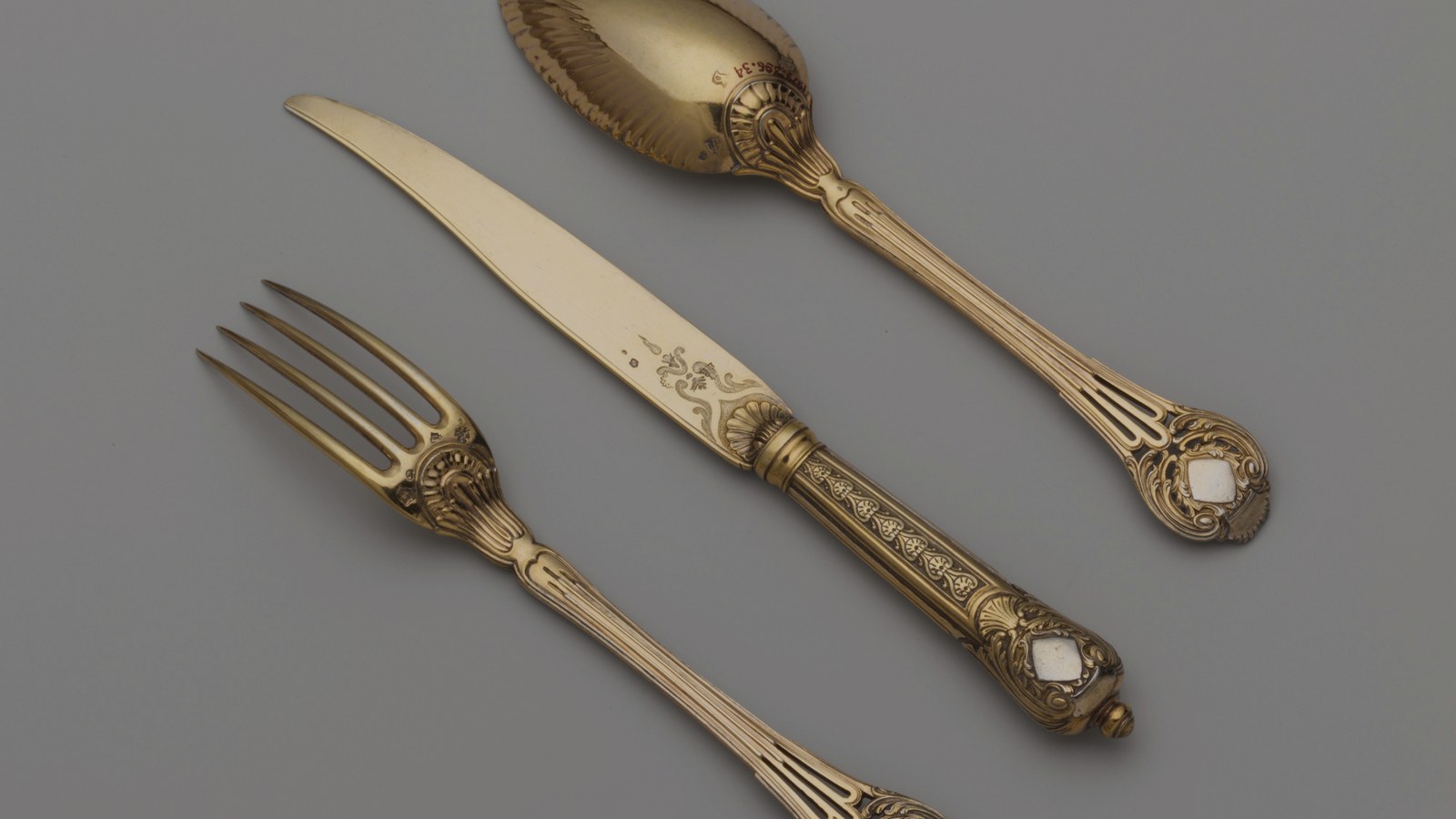
Cutlery collections often mix sterling silver, silver plate, steel blades and weighted handles. A fair assessment counts pieces, reads marks, separates construction types and avoids treating a canteen as one mystery weight.
Photograph the marks on several pieces, especially serving items, knife handles and any boxed list.
Items usually relevant here
- Sterling silver forks and spoons
- Silver knife handles
- Cased canteens
- Serving spoons and ladles
- Mixed plated and sterling groups
How the offer is built
- Separate sterling from plated where marks are clear.
- Count each type of piece.
- Allow for filled handles and steel blades.
- Assess maker, pattern, age and completeness.
- Explain whether the set is better intact or metal-led.
Important cautions
- EPNS is not sterling silver.
- Knife gross weight is not usually silver weight.
- Do not clean aggressively before marks are photographed.
Before requesting an estimate
- Photograph the item in daylight on a plain background.
- Include hallmarks, backs, sides, damage and any paperwork.
- Tell us about previous offers, insurance paperwork or estate context.
- Avoid polishing, dismantling, testing or removing stones before advice.
- Use the written offer to decide without pressure.
A realistic seller route
A realistic enquiry for this service might include sterling silver forks and spoons, silver knife handles, cased canteens. The first response should not force every item into one category; it should separate what is known, what is only believed, and what needs inspection before a final figure is sensible.
This route is strongest when the written offer explains these drivers: separate sterling from plated where marks are clear; count each type of piece; allow for filled handles and steel blades. That gives the seller a reasoned comparison point if another buyer, auctioneer or family member asks how the number was reached.
What to keep unchanged before valuation
EPNS is not sterling silver. Knife gross weight is not usually silver weight. The safest preparation is restraint: photograph the item, keep paperwork with it, and avoid cleaning, dismantling, fuelling, stone removal or repair until the valuation route is clear.
If an enquiry for Sell Sterling Silver Cutlery and Flatware Collections turns out to sit outside this exact service, the conclusion should say so. A direct offer is only useful when the assumptions are honest and the seller can accept, decline or ask for a different route without pressure.
Related Fair Vintage advice
Sources
FAQ
Can incomplete canteens be sold?
Yes, but completeness affects route and demand.
Does monogramming matter?
It can narrow resale but does not remove metal value.
Can plated items be sent too?
They can be reviewed, but value is very different from sterling.