Concise answer
Old mine and old European cuts can carry antique charm, but value still depends on spread, condition, colour, clarity, setting and buyer demand.
Old cut is a style, not a price guarantee
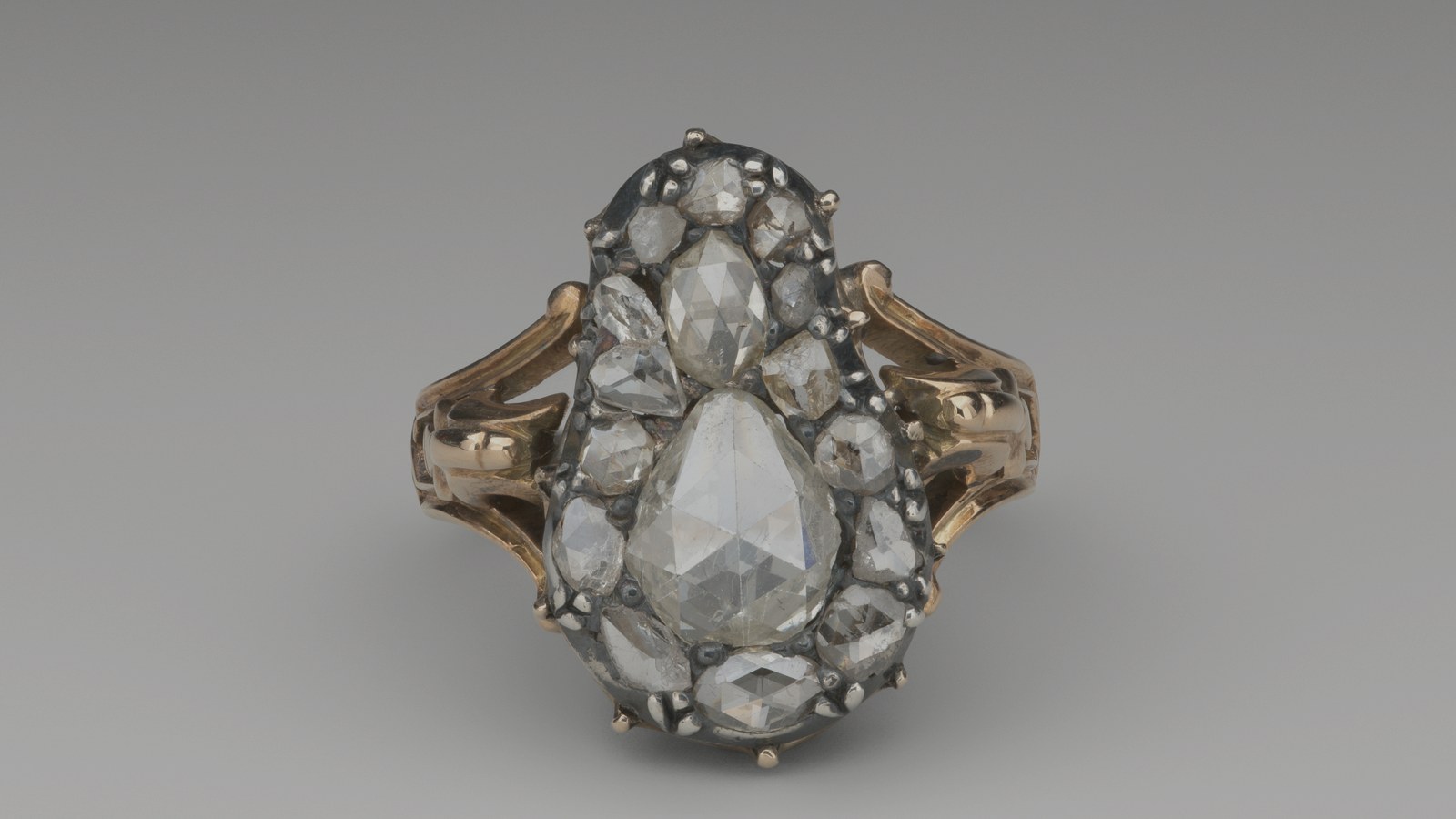
Old mine and old European diamonds often have smaller tables, higher crowns, larger culets and a softer pattern of light than many modern brilliant cuts. That character can appeal to antique buyers, but it does not override colour, clarity, damage or an awkward setting.
Measurements matter
Two old-cut stones of similar stated carat weight can face up very differently. Depth, spread, symmetry and outline affect how large and lively the stone appears. Mounted stones are harder to measure precisely, so buyers often allow for uncertainty.
Original settings can help
A coherent antique ring may be more appealing than a loose old-cut stone placed into a modern setting. Claw wear, replacement shoulders, solder repairs and resizing should be disclosed because originality affects collector interest.
When certification helps
A report can document identity and 4Cs, but older cuts are not always judged in the same way buyers judge modern round brilliants. The market often values charm, outline and period setting alongside formal grades.
What to photograph or record
- Photograph the stone in diffuse daylight and from the side.
- Include any old boxes, receipts or family notes.
- Mention chips or abrasion if known.
- Do not recut or repolish before assessment.
- Ask whether the ring is being valued as antique jewellery or as a loose diamond.
Old cut is not a single price category
Old mine, old European and transitional cuts can all be attractive, but the buyer is looking at spread, outline, culet, crown height, brightness and condition. A charming old cut with a chip under a claw may need a different allowance from a clean stone in an original setting.
The strongest old-cut enquiries include face-up photos, side profile, any report, and setting age. Recutting before valuation is risky because it can remove weight and antique character.
Evidence to send with this enquiry
For old-cut diamonds, the most useful evidence is specific rather than decorative: photograph the stone in diffuse daylight and from the side; include any old boxes, receipts or family notes; mention chips or abrasion if known. Those details let a buyer separate a cautious first view from a stronger inspection-backed view.
For Old-Cut Diamonds vs Modern Brilliant Cuts: Which Details Matter to Buyers?, references such as GIA 4Cs: old mine cut diamond guide and GIA: describing old European round brilliants frame terminology and valuation purpose. They do not replace inspection, but they keep the page anchored to recognised hallmark, diamond, metal, auction or estate guidance rather than anecdote.
Public discussion context
Reddit research used for this page
This old-European-cut discussion is relevant because it shows how buyers ask about character, cut recognition and price uncertainty, not just carat weight. It is included as audience-language research only; it is not an endorsement, not a ranking tactic and not a substitute for professional assessment.
Sources and further reading
Related Fair Vintage advice
FAQ
Are old-cut diamonds worth more?
Some are, especially in strong antique settings, but quality and demand decide.
Should I recut an old diamond?
Usually not before valuation; recutting can remove weight and character.
Can old cuts be GIA graded?
Yes, reports can describe old European or other older cutting styles, but a report is not a sale price.