Concise answer
Natural diamonds, laboratory-grown diamonds and simulants can look similar, but their identification evidence and resale markets are very different.
They can look alike but trade differently
Laboratory-grown diamonds have the same basic chemistry as diamond, but their origin is different. GIA explains that advanced testing is used to distinguish natural from laboratory-grown stones. In resale, origin matters because supply, customer demand and pricing expectations differ.
Reports are not interchangeable
A natural diamond grading report and a laboratory-grown diamond report answer different market questions. GIA announced in 2025 that its laboratory-grown diamond terminology would move away from the natural-diamond colour and clarity nomenclature toward descriptive categories. Sellers need to know which document they hold.
Simulants are another category
Cubic zirconia, moissanite and glass are not laboratory-grown diamonds. They can be attractive stones, but they should not be priced as natural or lab-grown diamond unless testing supports that identity.
How this affects an offer
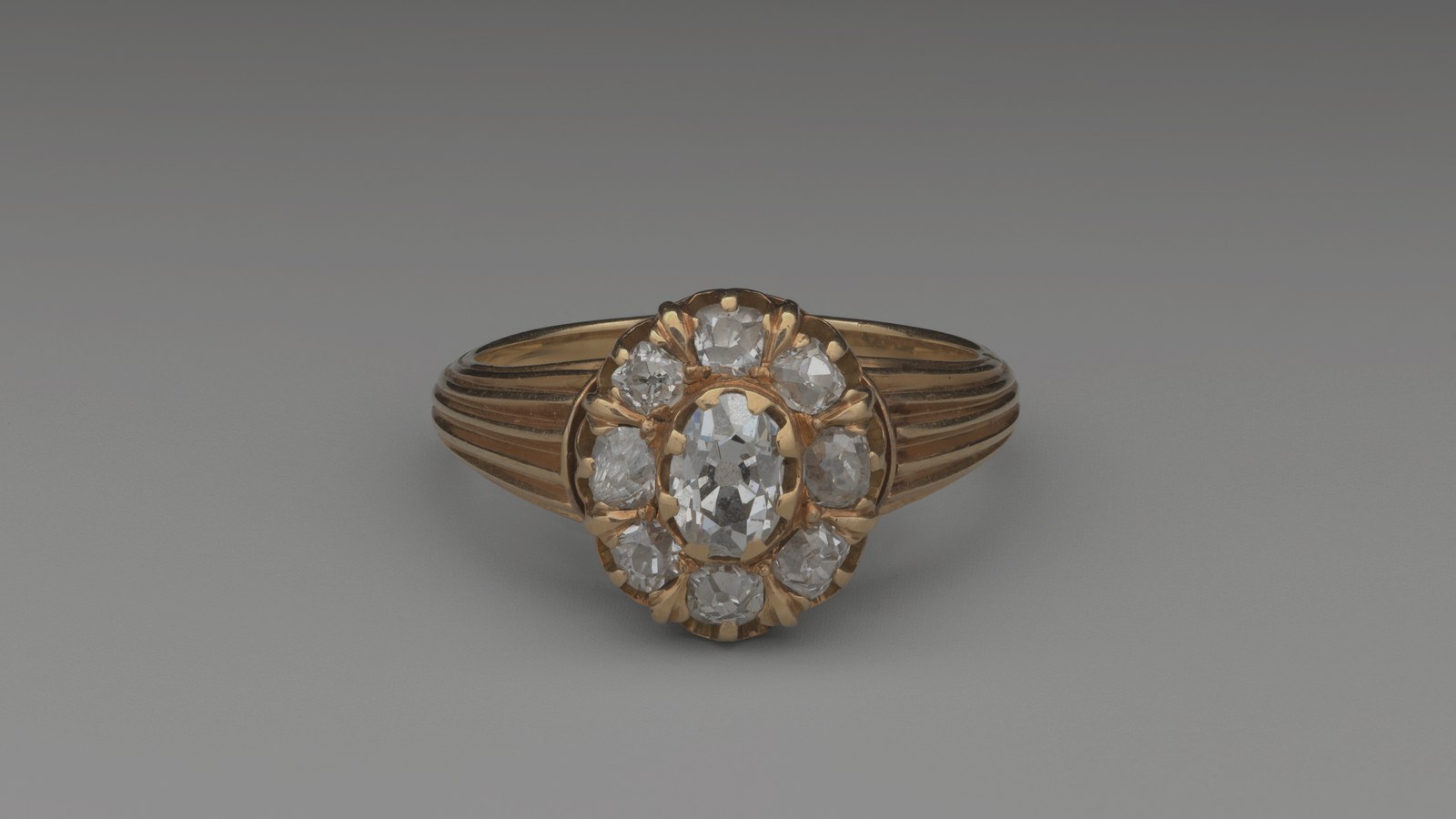
A buyer may be interested in a natural diamond ring, may decline a lab-grown centre stone, or may value the ring mainly for its metal and design. The right answer depends on documentation, stone size, condition and current demand, not on appearance alone.
What to photograph or record
- Find any report, receipt or laser-inscription number.
- Avoid describing the stone as natural unless the evidence supports it.
- Photograph the whole ring and any inscription visible under magnification.
- Mention if the stone was bought as lab-grown.
- Expect a different resale conversation for simulants.
Why origin language matters
A laboratory-grown diamond is diamond, but it is not natural diamond. GIA's 2025 terminology update for laboratory-grown diamonds is relevant because it shows the trade moving away from treating lab-grown reports as directly comparable with natural-diamond grading language.
For resale, this means the first question is identity and evidence. A seller should avoid phrases such as real diamond if they actually mean natural diamond; undisclosed origin uncertainty can change the offer route completely.
Evidence to send with this enquiry
For natural and lab-grown diamonds, the most useful evidence is specific rather than decorative: find any report, receipt or laser-inscription number; avoid describing the stone as natural unless the evidence supports it; photograph the whole ring and any inscription visible under magnification. Those details let a buyer separate a cautious first view from a stronger inspection-backed view.
For Natural vs Lab-Grown Diamonds: What Happens When You Try to Resell Them?, references such as GIA: natural and laboratory-grown diamonds and GIA 2025 laboratory-grown diamond terminology frame terminology and valuation purpose. They do not replace inspection, but they keep the page anchored to recognised hallmark, diamond, metal, auction or estate guidance rather than anecdote.
Public discussion context
Reddit research used for this page
These diamond-community discussions are included because they focus specifically on GIA lab-grown terminology and how consumers read reports. It is included as audience-language research only; it is not an endorsement, not a ranking tactic and not a substitute for professional assessment.
Sources and further reading
Related Fair Vintage advice
FAQ
Can Fair Vintage identify lab-grown diamonds from a photo?
No. Photos can help triage, but confirmation requires appropriate testing or documentation.
Are lab-grown diamonds worthless?
No, but their resale market is different and often more limited than natural diamonds.
Does a report always make resale easy?
It helps, but demand, size, cut and condition still matter.