What this service page is for
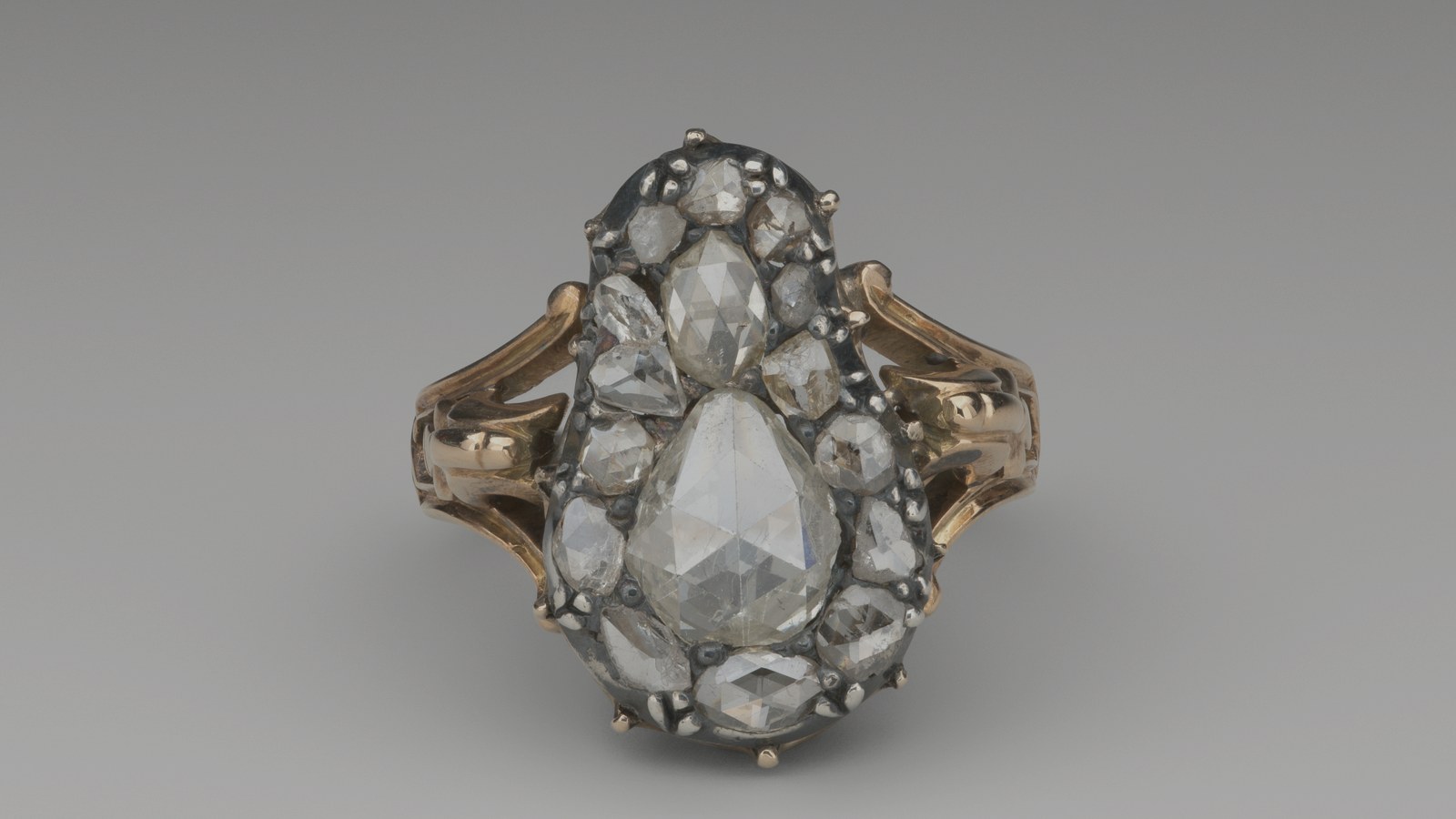
Old-cut diamonds are often loved for character rather than modern precision. A specialist offer should consider the diamond's spread, outline, culet, brightness, colour, clarity, chips and whether the setting is original.
Some old-cut rings suit auction or specialist antique routes; others are better as a direct written offer.
Items usually relevant here
- Old mine cut diamond rings
- Old European cut rings
- Victorian and Edwardian diamond rings
- Art Deco platinum rings
- Inherited antique engagement rings
How the offer is built
- Identify cut style and measurements where possible.
- Assess period setting and originality.
- Check for chips, worn claws and repairs.
- Review any reports or old receipts.
- Advise if auction may be stronger.
Important cautions
- Do not recut before valuation.
- Do not clean fragile settings ultrasonically.
- Do not assume every old diamond is rare or high value.
Before requesting an estimate
- Photograph the item in daylight on a plain background.
- Include hallmarks, backs, sides, damage and any paperwork.
- Tell us about previous offers, insurance paperwork or estate context.
- Avoid polishing, dismantling, testing or removing stones before advice.
- Use the written offer to decide without pressure.
A realistic seller route
A realistic enquiry for this service might include old mine cut diamond rings, old european cut rings, victorian and edwardian diamond rings. The first response should not force every item into one category; it should separate what is known, what is only believed, and what needs inspection before a final figure is sensible.
This route is strongest when the written offer explains these drivers: identify cut style and measurements where possible; assess period setting and originality; check for chips, worn claws and repairs. That gives the seller a reasoned comparison point if another buyer, auctioneer or family member asks how the number was reached.
What to keep unchanged before valuation
Do not recut before valuation. Do not clean fragile settings ultrasonically. The safest preparation is restraint: photograph the item, keep paperwork with it, and avoid cleaning, dismantling, fuelling, stone removal or repair until the valuation route is clear.
If an enquiry for Sell Antique Old-Cut Diamond Rings turns out to sit outside this exact service, the conclusion should say so. A direct offer is only useful when the assumptions are honest and the seller can accept, decline or ask for a different route without pressure.
Public discussion context
Reddit research used for this page
Included because this diamond discussion is specifically about old European cut identity and pricing uncertainty. It is included as audience-language research only; it is not an endorsement, not a ranking tactic and not a substitute for professional assessment.
Related Fair Vintage advice
Sources
FAQ
Are old-cut diamonds desirable?
Often, yes, but condition and market fit decide.
Can an old ring be sold without papers?
Yes, with inspection and cautious expectations.
Will a modern buyer understand old cuts?
A specialist route is usually better than a generic scrap route.