Concise answer
Coloured gemstone value depends on identity, treatment, origin evidence, durability, setting quality and demand, not just colour in a photograph.
Treatment is normal, but disclosure matters
Many rubies and sapphires are heat treated; emeralds are often clarity enhanced. Treatment can be accepted in the market, but the type and extent can materially affect value. A photograph cannot reliably prove treatment status.
Origin claims need evidence
Terms such as Burmese ruby, Kashmir sapphire or Colombian emerald should not be used casually. Origin can affect price, but only credible laboratory evidence and expert context make those claims commercially useful.
Mounted stones are harder to judge
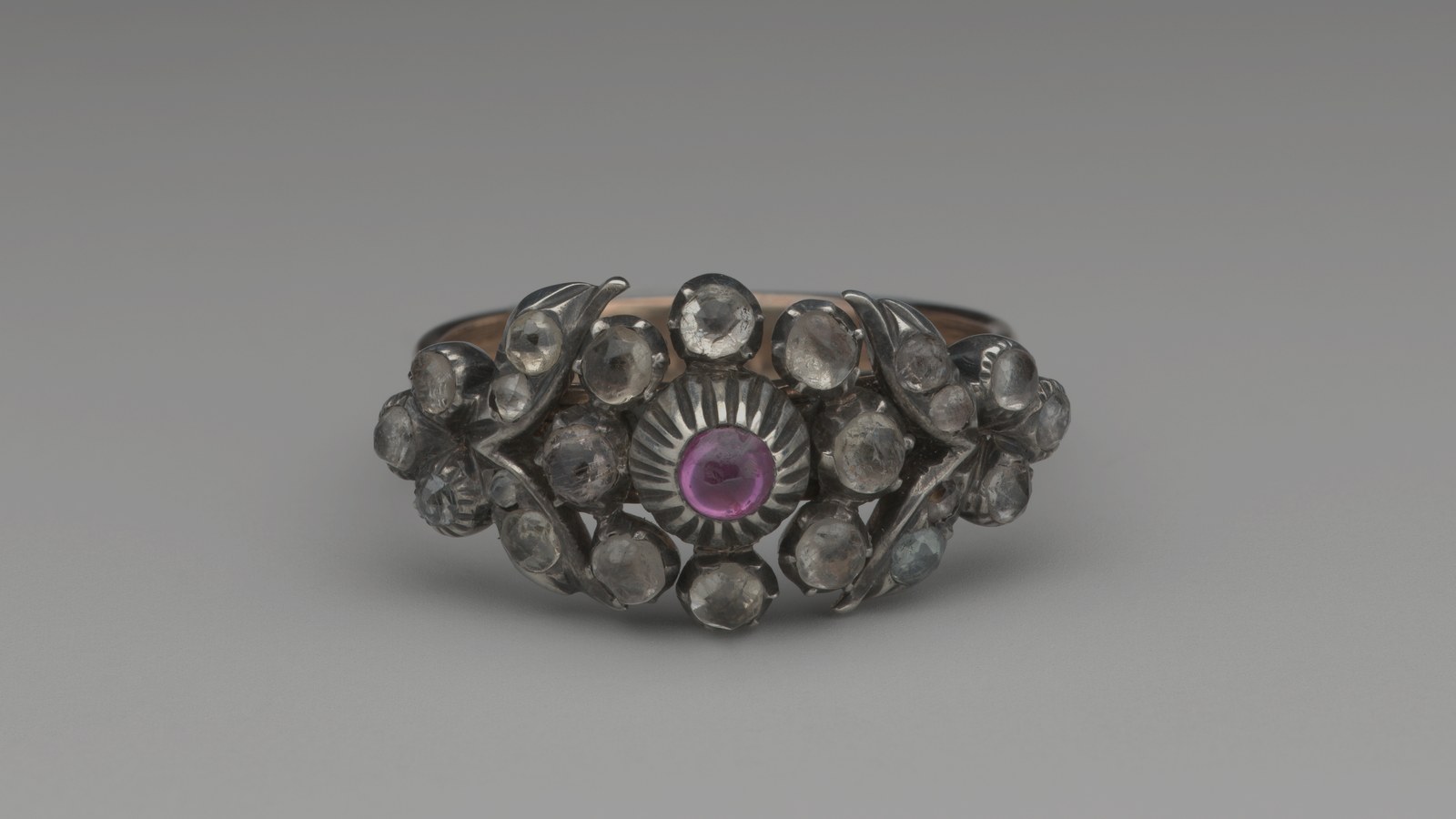
Prongs, bezels and dirt can hide chips, fractures, windowing and treatment clues. A buyer may need to see the item in person before giving a confident figure, especially for higher-value coloured stones.
Setting and period still count
A modest treated stone in a beautiful antique ring may be desirable as jewellery. A large stone with uncertain identity in a weak setting may carry more risk. The valuation has to balance gemstone and object value.
What to photograph or record
- Send any laboratory reports or old insurance descriptions.
- Photograph colour in daylight, not only under warm indoor light.
- Show chips, cracks and under-gallery views.
- Avoid origin claims unless paperwork supports them.
- Do not oil, clean or reset before assessment.
Treatment risk by stone type
Heat treatment in ruby or sapphire can be normal in the trade, while clarity enhancement in emerald is also common. The commercial impact depends on the degree and type of treatment, and on whether credible laboratory evidence supports the description.
A seller should avoid claiming Burmese ruby, Kashmir sapphire or Colombian emerald from family memory alone. Origin language can change value, but unsupported origin claims create risk rather than confidence.
Evidence to send with this enquiry
For coloured gemstones, the most useful evidence is specific rather than decorative: send any laboratory reports or old insurance descriptions; photograph colour in daylight, not only under warm indoor light; show chips, cracks and under-gallery views. Those details let a buyer separate a cautious first view from a stronger inspection-backed view.
For Ruby, Sapphire and Emerald Jewellery: How Treatments Affect Second-Hand Value, references such as GIA coloured stone services and GIA coloured stone research frame terminology and valuation purpose. They do not replace inspection, but they keep the page anchored to recognised hallmark, diamond, metal, auction or estate guidance rather than anecdote.
Sources and further reading
Related Fair Vintage advice
FAQ
Are treated gemstones worthless?
No. Treatment is common, but it affects price and must be understood.
Can photos prove a ruby is natural?
No. Photos can guide triage but not definitive identity or treatment status.
Do emerald inclusions reduce value?
Emeralds commonly have inclusions; type, severity and treatment matter.