Concise answer
Insurance valuations estimate replacement cost; a trade buyout offer is a purchase price after resale risk, testing uncertainty, fees and market demand are considered.
The number answers a different question
An insurance schedule usually asks: what would it cost to replace this item with a similar retail piece after loss or theft? That figure can include retail margin, sourcing, workshop time, VAT, and the cost of finding a close replacement. A trade offer asks a narrower commercial question: what can a buyer responsibly pay now, knowing they must authenticate, clean, possibly repair, market and resell the item.
The two numbers can both be honest. A £7,000 replacement valuation is not evidence that a dealer can pay £7,000. It may still contain useful descriptions of metal, stones and workmanship, but it should be treated as evidence, not as a guaranteed sale price.
What a buyer has to subtract
A buyer may allow for gem testing, resizing risk, return risk, photography, platform or showroom costs, insurance while held, staff time, capital tied up, and the possibility that the piece takes months to sell. For stone-set jewellery, the buyer may also have to allow for uncertainty until the stones are physically checked.
This is why a written explanation matters. A low figure with no reasoning is frustrating; a responsible offer should say whether the value is metal-led, stone-led, antique-led, brand-led or mainly uncertain until inspection.
A realistic inherited-jewellery scenario
A family may inherit several rings with an insurance booklet showing retail replacement figures from years ago. Some pieces may contain strong natural diamonds; others may have small commercial stones, worn settings, replacement claws or sentimental inscriptions. The insurance figures do not sort that group into saleable, repairable and metal-led pieces.
The better approach is to photograph each item, keep the schedule, and ask for a sale-focused assessment that separates replacement evidence from likely resale demand.
When auction may still be stronger
Auction can be better for signed jewellery, exceptional coloured stones, rare antique pieces, unusual provenance or designer work that needs public competition. Direct sale can be better when the seller values speed, certainty and a clear net figure. The honest comparison is net proceeds after seller fees, timings, reserve risk and unsold-item handling, not headline estimates.
What to photograph or record
- Keep the full valuation document but hide personal details when emailing photos.
- Photograph hallmarks, stone settings, damage and any certificate numbers.
- Ask whether the offer is metal-led, diamond-led, antique-led or route-led.
- Compare only like-for-like trade offers, not insurance replacement figures.
- Do not polish, reset or remove stones before asking for an opinion.
A worked comparison
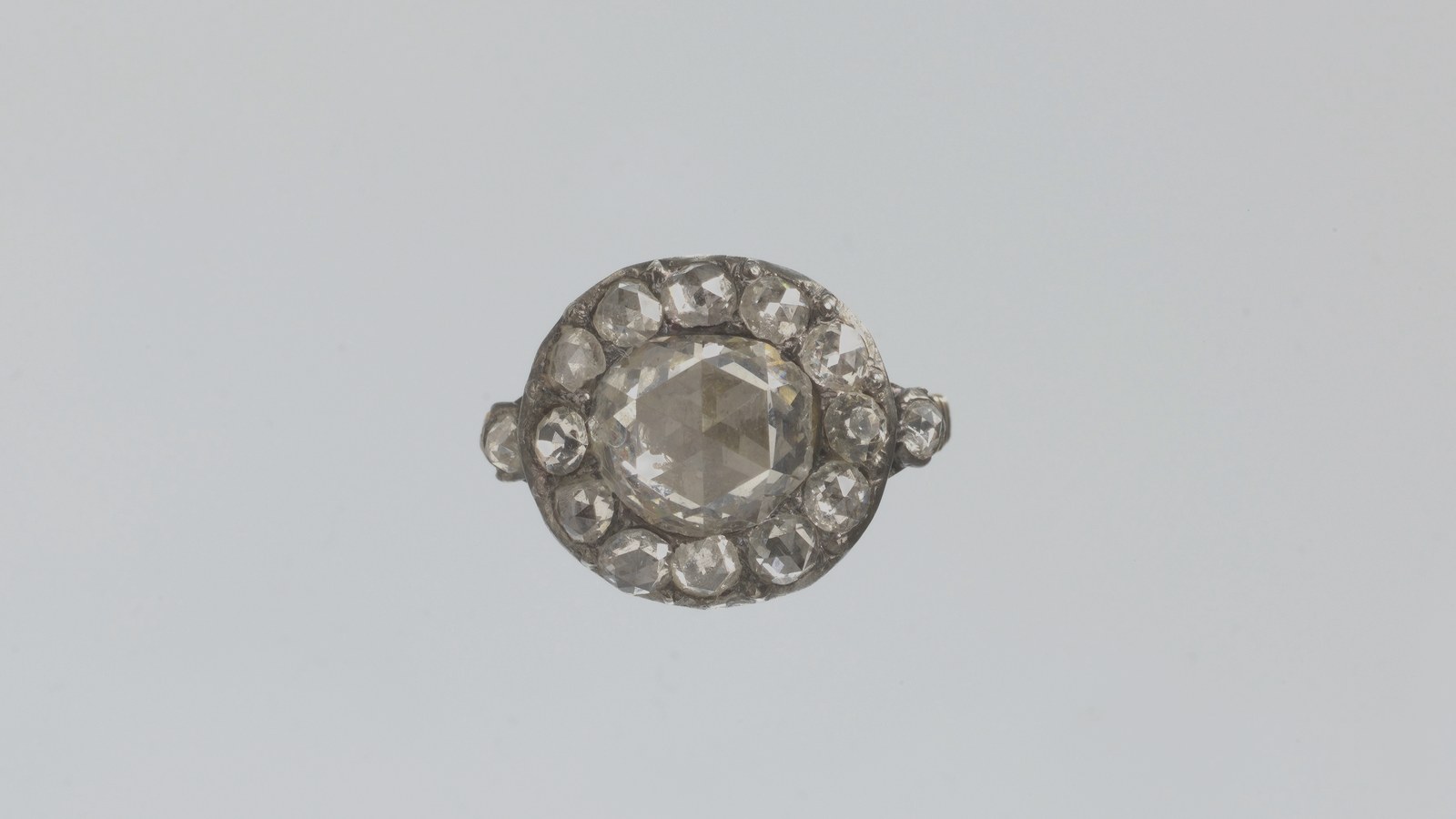
Illustrative example only: if a ring is insured for £7,000, the figure may reflect the cost of finding a similar retail replacement, not the cash value of that exact used ring. A direct buyer might first separate a £1,150 metal and small-stone floor, a £2,200 to £3,000 likely second-hand jewellery route, and an auction possibility if the centre stone or maker justifies public bidding.
The useful question is not why the offer is below the insurance schedule. It is whether the offer explains the route, the inspection assumptions and the net amount you would actually receive after any fees.
Auction comparison
Auction can outperform a direct offer when several bidders want the same signed, rare or high-quality item. It can underperform when the estimate is optimistic, the reserve is missed or charges reduce the seller's net receipt. Christie's and Bonhams both make clear that seller commission and expenses are part of the auction equation, while buyer's premium can affect how bidders think about hammer price.
Evidence to send with this enquiry
For insurance valuations, the most useful evidence is specific rather than decorative: keep the full valuation document but hide personal details when emailing photos; photograph hallmarks, stone settings, damage and any certificate numbers; ask whether the offer is metal-led, diamond-led, antique-led or route-led. Those details let a buyer separate a cautious first view from a stronger inspection-backed view.
For Why Your Jewellery Insurance Valuation Is Different from a Trade Buyout Offer, references such as National Association of Jewellers: jewellery valuation overview and GOV.UK: valuing the estate of someone who died frame terminology and valuation purpose. They do not replace inspection, but they keep the page anchored to recognised hallmark, diamond, metal, auction or estate guidance rather than anecdote.
Public discussion context
Reddit research used for this page
This UKPF thread is relevant because the seller had high insurance paperwork yet found real trade and auction responses far lower. It is included as audience-language research only; it is not an endorsement, not a ranking tactic and not a substitute for professional assessment.
Sources and further reading
Related Fair Vintage advice
FAQ
Does an insurance value prove what I can sell for?
No. It helps describe the item, but sale value depends on current second-hand demand, condition and route.
Should I pay for a new insurance valuation before selling?
Usually not unless you need it for insurance or estate records. A selling assessment is a different exercise.
Can Fair Vintage beat my existing offer?
No honest buyer can promise that for every object. Fair Vintage tries its best to beat genuine like-for-like offers where possible, and we explain our reasoning in writing. If auction, private sale, or a brand specialist is likely to be better, we will say so.