Concise answer
Gold charms and watch fobs can be valued by metal, age, completeness, movement, enamel, inscriptions and collector appeal.
Charms are not all the same
A bracelet may contain hollow souvenir charms, solid gold charms, mechanical charms, enamel pieces, seals, lockets and later additions. Each charm can have different metal content and collector appeal, so a single bulk weight can miss the point.
Watch fobs and seals need detail photographs
Fobs may include gold, bloodstone, carnelian, intaglio carving, family crests or base-metal mounts. The stone and engraving can be part of the value. Photograph the matrix face, side, loop and chain attachment.
Completeness matters
A charm bracelet with period consistency, strong clasp and interesting charms can be more saleable intact. Loose or damaged charms may be better valued individually or by metal. Do not remove charms before assessment.
Personal inscriptions
Names, dates and travel charms narrow the buyer pool but also document period and story. For some collectors, charm selection is part of the appeal. For metal-led buyers, inscriptions matter less.
What to photograph or record
- Photograph the entire bracelet front and back.
- Show hallmarks on charms and clasp.
- Open mechanical charms only if they move freely.
- Photograph seal faces clearly.
- Keep loose charms in numbered bags.
Fobs need object-level notes
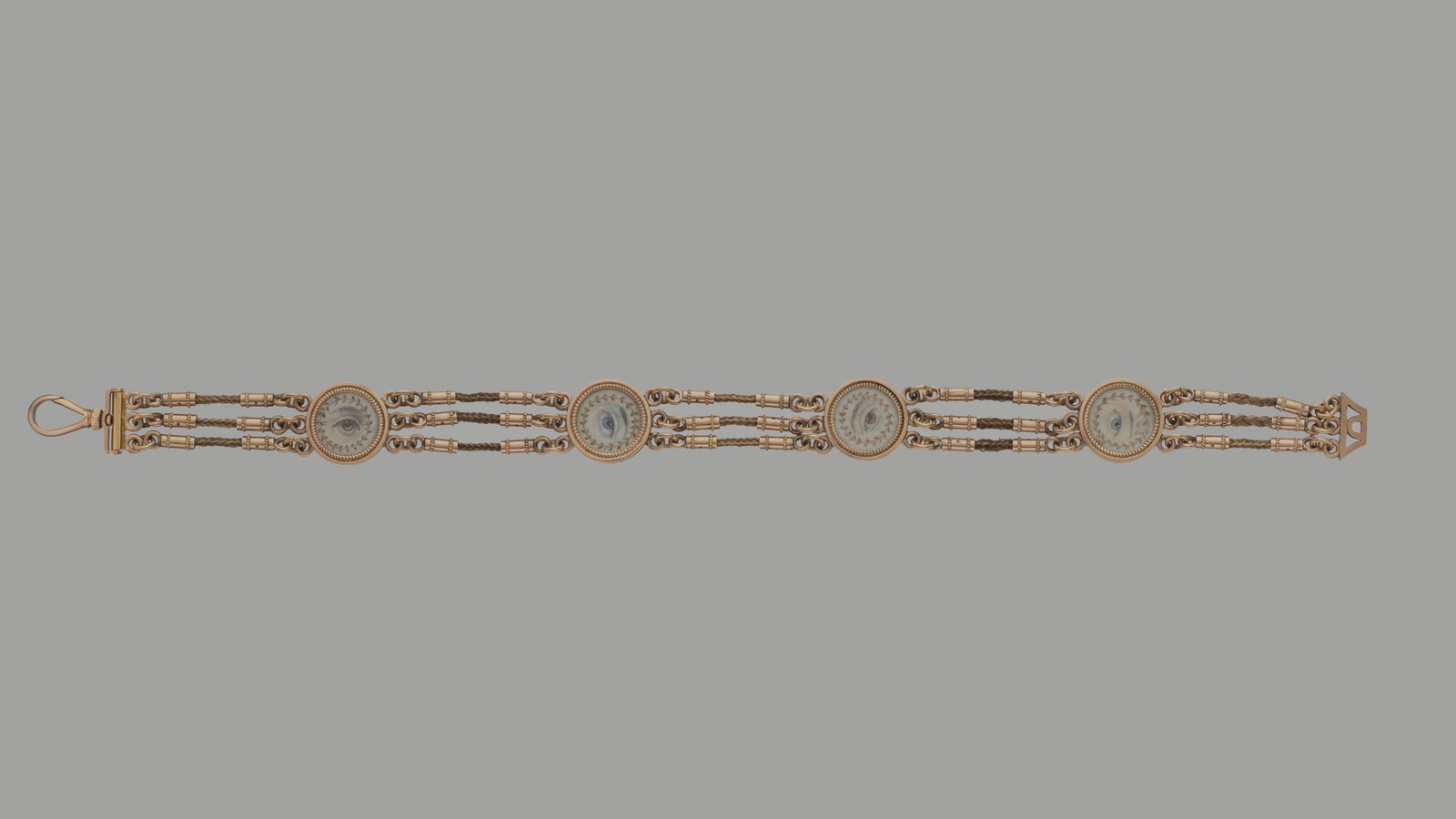
A watch fob may include gold casing, hairwork, enamel, miniature painting, seal stone or agate. The gold weight may be only one part of the value, and sometimes the object should be assessed as a collector piece before any metal route is considered.
Photograph the front, back, chain attachments and any seal face. Do not polish painted or engraved areas; detail loss can reduce collector interest even if metal value remains.
Evidence to send with this enquiry
For charms and fobs, the most useful evidence is specific rather than decorative: photograph the entire bracelet front and back; show hallmarks on charms and clasp; open mechanical charms only if they move freely. Those details let a buyer separate a cautious first view from a stronger inspection-backed view.
For Gold Charm Bracelets, Watch Fobs and Old Jewellery Collections, references such as GOV.UK hallmarking practical guidance and Sheffield Assay Office: UK hallmarks frame terminology and valuation purpose. They do not replace inspection, but they keep the page anchored to recognised hallmark, diamond, metal, auction or estate guidance rather than anecdote.
Sources and further reading
Related Fair Vintage advice
FAQ
Should I sell charms separately?
Not before assessment. Completeness may matter.
Are hollow charms worth less?
They contain less metal, but unusual design can still help.
Can seals have value beyond gold?
Yes, carving, stone and age can matter.