A gold presentation watch is valued by the case metal, hallmark, movement, brand, condition and the story in the engraving. A retirement inscription does not automatically ruin value, but polishing it away usually removes metal and history. The safest route is to identify the case and movement before treating the watch as scrap gold.
Fair Vintage pays 80% to 95% of the gold value, with no fees. Your exact percentage is confirmed in your written offer before you decide.
Choose a gold price locked by agreement and confirmed in writing before sending, or the average gold price in GBP between 9am and 5pm UK time on the day your parcel arrives.
See exactly what we pay for goldGold payout policy effective .
Key facts before you sell
- The case and movement may have different names. A jeweller or retailer name on the dial is not always the movement maker.
- UK hallmarks can date a gold case. Assay office and fineness marks help identify 9ct, 18ct and other standards.
- Engraving is not always a defect. It can document presentation history and should not be polished away blindly.
- Gold content is only one part of value. Brand, movement quality, originality and working condition can matter.
- Removing a caseback roughly can cause damage. If it does not open easily, leave it for assessment.
| Question | Where to look | Why it matters |
|---|---|---|
| Is the case gold? | Inside or outside case hallmarks | Separates solid gold from plated or filled cases |
| Who made the movement? | Movement bridge or calibre markings | Retailer dial names can mislead |
| Is the dial original? | Dial text, ageing and refinishing signs | Collectors value originality |
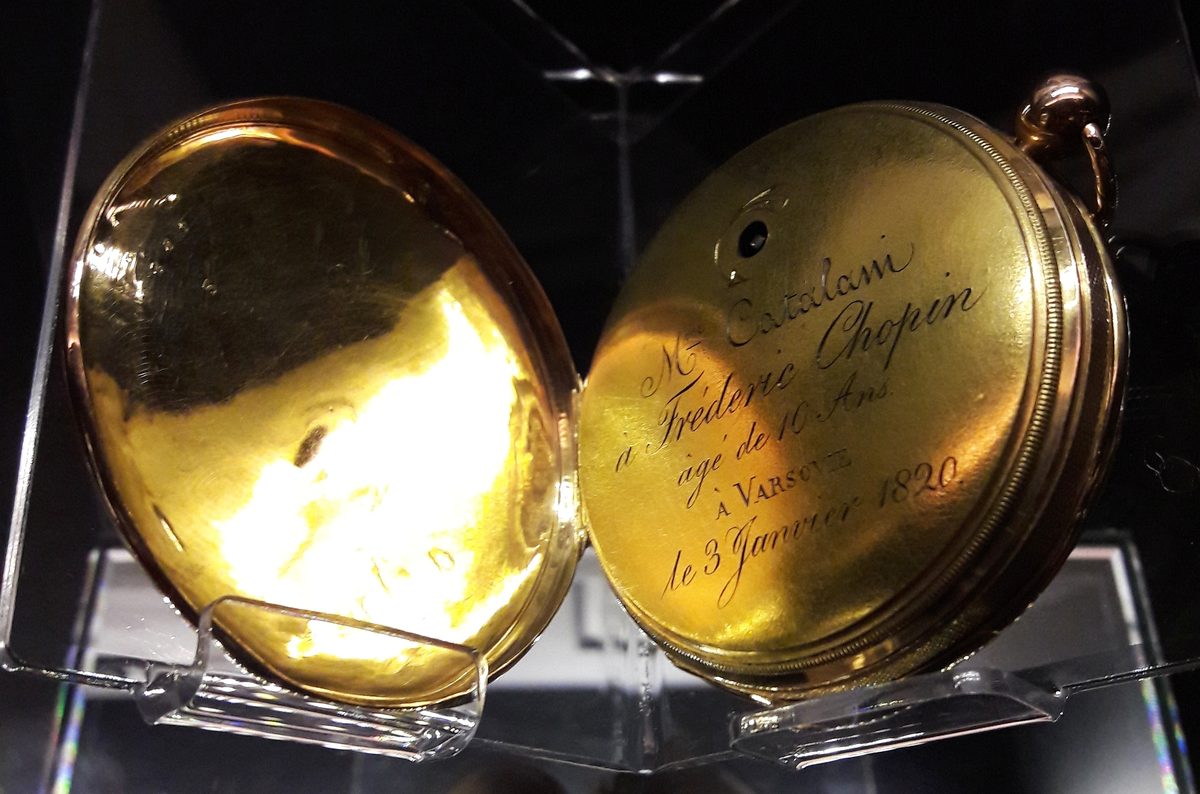
| What does the engraving say? | Caseback inscription | May document presentation, company or date |
| Does it run? | Winding, setting and ticking | Service needs affect the offer |
Why retirement watches are often misvalued
Gold presentation watches sit between jewellery, horology and family history. A seller may see only the engraving and assume no collector will want it. A cash-for-gold buyer may see only the case metal. A watch specialist looks at the case, movement, dial, originality and the inscription together.
Some presentation watches are modest 9ct dress watches with value led by metal and condition. Others carry respected movements, retailer history or attractive period design. The difference is not visible from a single front photograph.
How do hallmarks help date a gold watch case?
Many British gold watch cases carry hallmarks showing fineness, assay office and sometimes a date letter. GOV.UK explains that precious-metal items described as gold, silver, platinum or palladium must meet hallmarking rules above certain weights. Sheffield Assay Office and other assay offices explain that sponsor, fineness and assay-office marks form the core of a UK hallmark.
Date letters need care because their meaning depends on the assay office, the shape around the letter and the cycle in use. A hallmark can date the case, but not necessarily the movement, which may have been cased later or retailed by a different firm.
Does engraving reduce value?
Sometimes it narrows the buyer pool, but it does not automatically destroy value. An inscription naming a company, long service award, railway, military unit or local institution may add context. A personal retirement inscription may matter less commercially but still records why the watch was given.
Polishing out engraving is usually a mistake. It removes gold, softens case edges and can leave a visibly thinned or distorted caseback. If the watch has collector interest, over-polishing can be worse than honest engraving.
Movement maker, retailer name and brand: which one matters?
The dial may show a shop, jeweller or employer presentation name, while the movement inside was made by another firm. A case may be British, a movement Swiss and a dial signed by a UK retailer. That is not suspicious; it is common in older watches.
Photographs of the dial, caseback, crown, bracelet or strap, and any movement photo already available help. Do not force open a watch if the back is tight, hinged or unfamiliar. Damage caused by opening can cost more than the information gained.
When is scrap gold the wrong lens?
Scrap value can be a useful floor for a damaged, common or non-running watch with no collector interest. But it is only the floor. A clean dial, respected movement, attractive case, original box, service receipt or unusual presentation history can lift a watch beyond case metal.
Fair Vintage assesses watches item by item and will say if auction, private sale or a brand specialist is likely to be better. The aim is a clear written offer, not pressure to melt family history.
Photograph engraving without polishing it
For a presentation watch, photograph the caseback straight on, then again at a shallow angle so the engraving is readable. Photograph hallmarks inside the case only if the back opens easily and safely; otherwise leave it closed.
A soft cloth under the watch is enough. Avoid metal polish, abrasive cloths or attempts to remove a personal inscription. Original case edges and engraving depth tell a specialist more than a bright surface.
What people ask online
People ask whether inherited gold watches are worth more than gold.
The right answer is to identify case, movement and brand before reducing the watch to melt value. See an r/Watches thread about an inherited gold watch.
Presentation-watch threads often discuss whether the story matters.
Story can help explain the object, but condition and movement still decide most commercial value. See an r/Watches thread about a retirement watch.
Watch communities often advise not polishing inherited watches.
That is sensible: polishing can remove metal, soften edges and reduce originality. See an r/Watches thread about preserving an inherited watch.
Selling it without pressure
If the watch has a gold case or a long-service inscription, do not polish it before asking. Start with vintage watch valuation, or compare the signs in our guide to inherited watches that may be valuable.
Email dial, caseback and hallmark photos first. If it looks suitable to send, use the free insured label route.
Frequently asked questions
Is an engraved watch harder to sell?
Sometimes, but engraving is only one factor. Case metal, movement, brand, condition and originality matter too.
Should I polish the caseback before selling?
No. Polishing can remove gold and soften details. Photograph it clearly and leave it as found.
What photos help most?
Front, back, side, crown, clasp, hallmarks, box, papers and any service receipts. Only photograph the movement if it is already safely visible.
Does a retailer name on the dial mean the retailer made it?
Not necessarily. Older watches often combine a retailer-signed dial with a separately made movement and case.
Sources
- GOV.UK hallmarking practical guidance. Accessed 2026-10-05.
- GOV.UK hallmarking in the UK: consumer protection. Accessed 2026-10-05.
- Sheffield Assay Office guide to UK hallmarks. Accessed 2026-10-05.
- The Goldsmiths' Company Assay Office, UK hallmarks. Accessed 2026-10-05.