Some point-and-shoot film cameras are worth selling because collectors and photographers want premium compact models with sharp fixed lenses, small bodies and working electronics. Contax T-series, Olympus mju-II, Yashica T4, Nikon 28Ti/35Ti, Ricoh GR1, Konica Hexar and Leica Minilux examples need careful fault checks before pricing.
Key facts before you sell
- Model matters more than the words point-and-shoot. Premium fixed-lens compacts differ sharply from ordinary zoom compacts.
- Electronics are a major risk. LCD faults, lens errors, film transport issues and dead flash units affect value.
- A film-tested camera is easier to value. A short test roll can prove focus, exposure, winding and light seals.
- Original boxes and cases can help. Collectors may pay more for complete examples, especially premium models.
- No price is permanent. Compact-camera demand moves quickly, so use current sold data when giving a figure.
| Model family | What to check | Common risk |
|---|---|---|
| Contax T2/T3 | Lens extension, shutter, LCD, flash and titanium body | Expensive electronic faults |
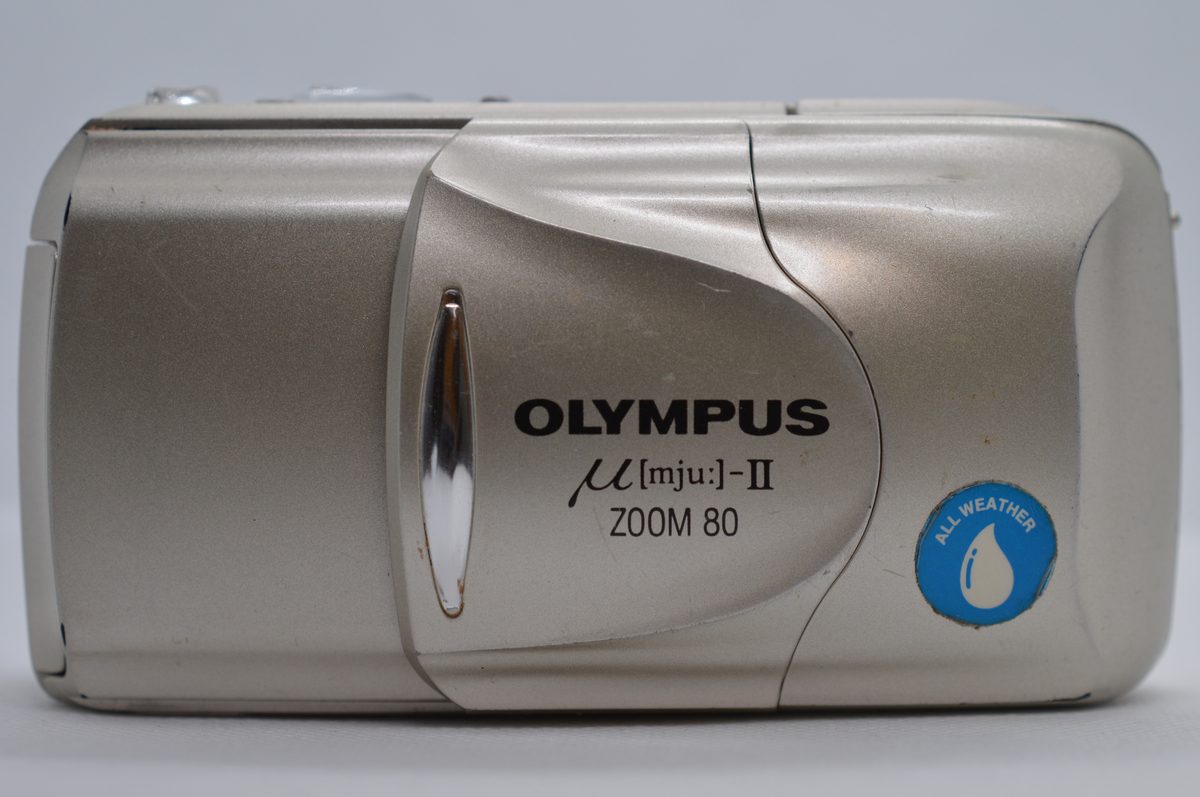
| Olympus mju-II | Weather seals, flash modes, lens cover and film transport | High demand but ageing electronics |
| Yashica T4/T5 | Carl Zeiss Tessar lens, viewfinder and shutter | Dead electronics or worn buttons |
| Nikon 28Ti/35Ti | Analogue top display, lens, film transport and battery door | Display and motor issues |
| Ricoh GR1 | LCD, lens, mode controls and shutter | LCD bleed and electronic failure |
| Leica Minilux | Lens, flash, top LCD and E02-type errors | Repair cost versus resale value |
Why are some compact film cameras valuable?
The valuable examples are not valuable because they are automatic. They are valuable because they combine portability, strong lenses, attractive design and a particular film-camera experience. The cameras sellers ask about most often are the premium 1990s and early-2000s compacts: Contax T-series, Olympus mju-II, Yashica T4, Nikon 28Ti and 35Ti, Ricoh GR1, Konica Hexar and Leica Minilux.
That does not mean every compact is valuable. Many zoom compacts remain modest. Brand, fixed lens quality, working condition and current demand decide whether the camera belongs in a specialist valuation or a low-value mixed lot.
Why working condition matters more than cosmetic condition
Premium compacts are electronic cameras. A clean body is welcome, but a dead lens motor, unreliable shutter, failed LCD, broken battery door or non-working flash can cut value heavily. Some faults are repairable; many are not economical because parts are scarce.
If possible, fit the correct battery, check that the lens extends smoothly, fire the shutter, test the flash, check all LCD displays and run a short film through the camera. A film-tested camera with example negatives is much easier to sell honestly than one described as untested.
Which models are worth separating from a camera box?
Pull out anything marked Contax, Leica, Ricoh GR, Nikon 28Ti or 35Ti, Olympus mju-II or Stylus Epic, Yashica T4/T5, Konica Hexar or Minolta TC-1. Also keep cases, manuals, straps and boxes with the matching camera. Accessories are not always valuable alone, but completeness can improve confidence.
Do not throw away cameras that look plain. The Olympus mju-II is small and plastic, yet collectors discuss it constantly. The Konica Hexar looks understated, while the lens and quiet operation are the point. A quick specialist check avoids losing value in a mixed clearance box.
Should you sell on eBay, a camera forum or to a specialist buyer?
A tested premium compact can do well on a marketplace if you are comfortable photographing, describing faults, answering technical questions, handling returns and packing carefully. A forum sale can work if you already have community trust. For inherited items, a direct specialist offer is often simpler because the buyer accepts the testing and resale work.
Fair Vintage is not always the strongest route for a flawless boxed camera where a patient private sale might outperform. Where that is likely, the written offer should say so. The useful comparison is not headline price, but price after effort, risk, time and return handling.
What photos should you send first?
Send front, back, top, lens extended, LCD, battery compartment, viewfinder, box/manuals and any test photographs. If the camera shows an error, photograph the exact display. If the lens cover sticks or the flash fails, say so. Hidden faults usually reappear during testing, and honest disclosure leads to a cleaner valuation.
For a collection, photograph premium compacts separately from ordinary zoom compacts. That prevents a valuable small camera being averaged into a job-lot figure.
Show the electronics, not just the front
For premium compacts, photograph the camera switched on with the lens extended, the top LCD, rear controls, battery compartment, viewfinder window and any error message. Include the case, strap, manual and box if present.
If you have film-tested it, keep the test roll notes simple: film loaded, advanced, rewound, flash fired and exposures looked normal. If you have not tested it, say so rather than forcing old electronics.
What people ask online
People ask whether a Contax T2 should be sold before it fails.
The practical answer is to test it and document working condition before any sale. See an r/AnalogCommunity thread about the Contax T2.
mju-II owners ask whether boxed examples justify high asking prices.
Community answers usually focus on sold prices, patient selling and whether the camera is film-tested. See an r/AnalogCommunity thread about valuing an Olympus mju-II.
Buyers debate whether premium compacts are overhyped.
For sellers, the lesson is to separate demand from reliability and disclose electronic risks. See an r/AnalogCommunity discussion about mju-II demand.
Selling it without pressure
If the compact is a Contax, Olympus mju-II, Yashica T4, Nikon Ti, Ricoh GR1 or Leica Minilux, photograph its working state before selling. The broader vintage camera valuation, Contax camera and camera collection pages are the closest Fair Vintage routes.
Email powered-on photos and any fault messages first. Do not force stuck doors, lens covers or old battery compartments.
Frequently asked questions
Is an untested premium compact worth selling?
Yes, but it is usually worth less than a confirmed working or film-tested example because electronic faults can be expensive or impossible to fix.
Does the box add value?
It can, especially for premium models, but a working camera matters more than packaging.
Should I put a film through it before selling?
If you know how to do it safely, a short test roll can help. If not, do not force the camera; send photos first.
Are ordinary zoom compacts valuable?
Most are modest, but some named models and clean boxed examples can still be worth separating from a mixed box.
Sources
- Olympus Global, mju-II 1997 news release. Accessed 2026-10-05.
- Contax T2 manual/specification PDF. Accessed 2026-10-05.
- Nikon 28Ti/35Ti specification archive. Accessed 2026-10-05.
- Olympus Global, mju-II 1997 news release archive. Accessed 2026-10-05.